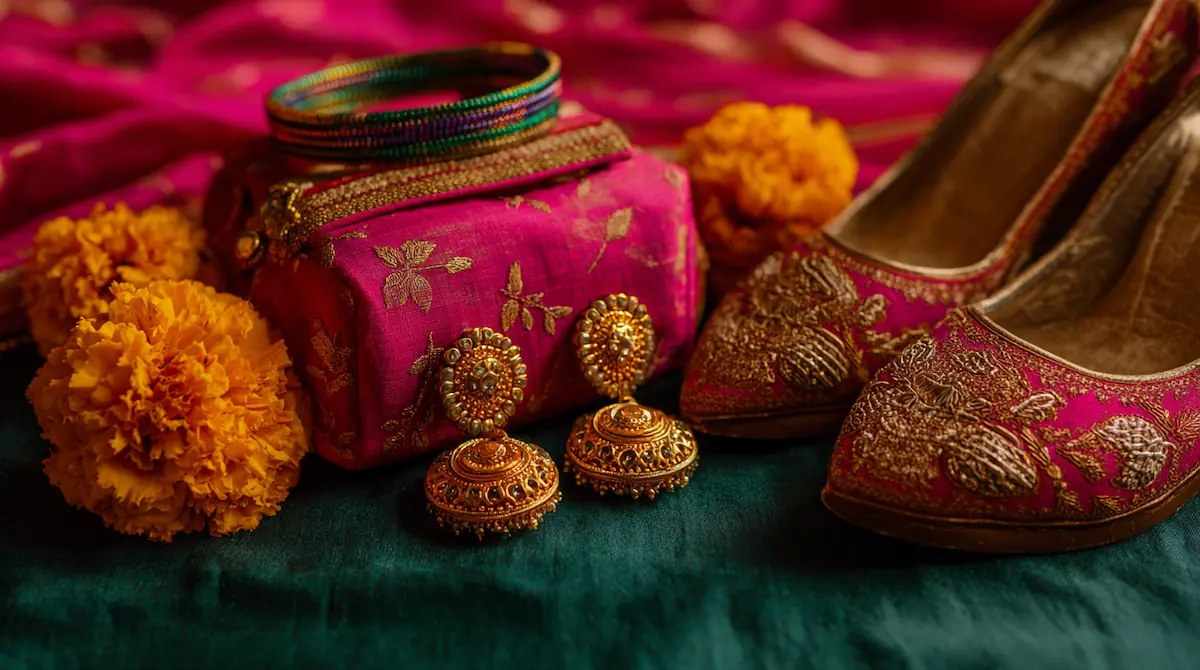
How to Dress for an Indian Wedding as a Guest: Complete Outfit Guide 2026
An Indian wedding is a multi-day celebration with distinct ceremonies, each with its own dress code, color palette, and formality level. As a guest, navigating these events requires understanding the cultural significance of each ceremony and dressing appropriately — while also looking your best.
Every Indian wedding ceremony carries its own unspoken dress code. Getting it right is equal parts cultural fluency and personal expression.
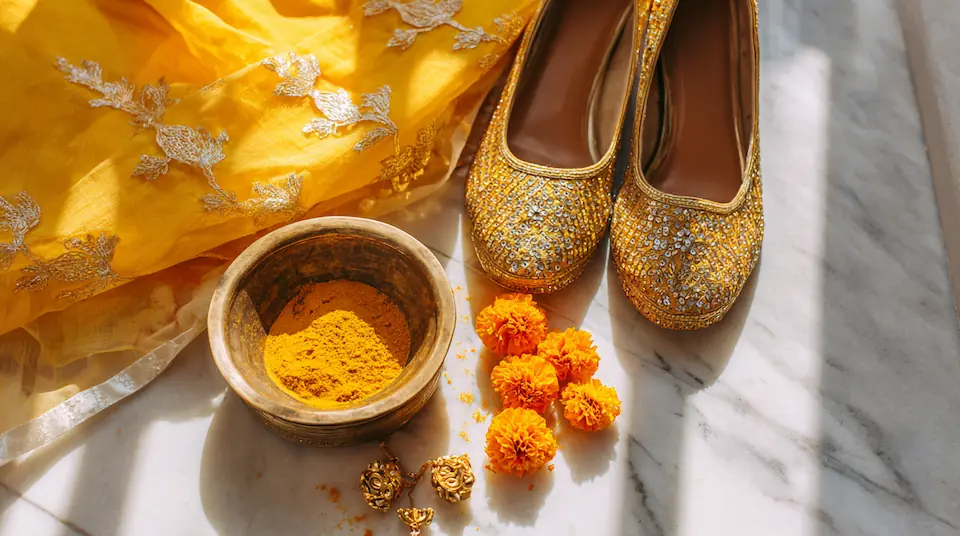
Haldi Ceremony — Yellow-Themed Celebration
The Haldi ceremony involves applying turmeric paste to the bride and groom for good luck. It's typically an intimate, daytime affair held at home or in an outdoor setting.
Dress Code
- Colors: Yellow is the traditional choice. Complementary options include marigold, saffron, lemon, mustard, and mango. White with yellow accents also works well.
- Formality: Semi-casual. Think festive but comfortable — turmeric will get everywhere.
- Women: Anarkali suits, cotton sarees, kurta sets, or co-ord sets in yellow tones. Avoid heavy embroidery or expensive fabrics that might stain.
- Men: Kurta pajama in yellow or white. Printed or tie-dye kurtas work well for this relaxed setting.
Mehendi Ceremony — Green & Festive
The Mehendi ceremony centers around applying intricate henna designs. It's a lively, music-filled event usually held during the day or early evening.
Dress Code
- Colors: Green is traditional (representing new beginnings). Other acceptable colors include teal, mint, forest green, and emerald. Floral prints incorporating green are popular.
- Formality: Smart casual to semi-formal.
- Women: Sharara sets, palazzo suits, lightweight lehenga, or a pre-draped saree. Choose fabrics that allow movement and comfort during long sitting periods.
- Men: Printed nehru jacket over a kurta, or a well-fitted kurta with churidar.
Sangeet — The Dance Night
The Sangeet is the high-energy musical evening featuring choreographed performances by family and friends. This is the event where bold fashion choices are encouraged.
Dress Code
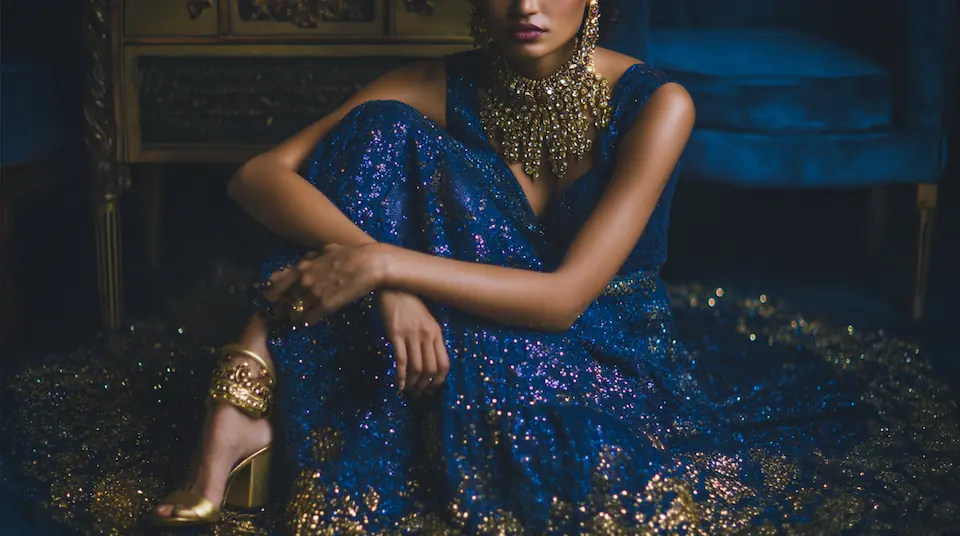
- Colors: Anything goes except red and white (red is reserved for the bride, white is considered inauspicious). Bold jewel tones — royal blue, emerald, hot pink, purple — are popular.
- Formality: Semi-formal to formal. This is where you bring out the statement pieces.
- Women: Cocktail-length lehengas, gowns, indo-western fusion outfits, or heavily embellished sarees. Sequins, mirror work, and metallic fabrics are encouraged.
- Men: Embroidered sherwani, indo-western jacket with slim trousers, or a bandhgala suit. Pocket squares and brooches add flair.
Wedding Ceremony & Reception — Peak Formality
The main wedding ceremony and reception demand the highest level of formality. These are the events photographed most extensively, so outfit choice matters.
Dress Code
- Colors to wear: Rich jewel tones (navy, emerald, deep purple, burgundy), pastels (blush, lavender, powder blue), or metallics (gold, champagne, silver)
- Colors to avoid: Red (bride's color), white (inauspicious), and all-black (perceived as mourning attire in many Indian cultures)
- Women: Full lehenga, heavily embellished saree, or floor-length anarkali. Jewelry should match the formality — statement necklaces, jhumka earrings, and bangles
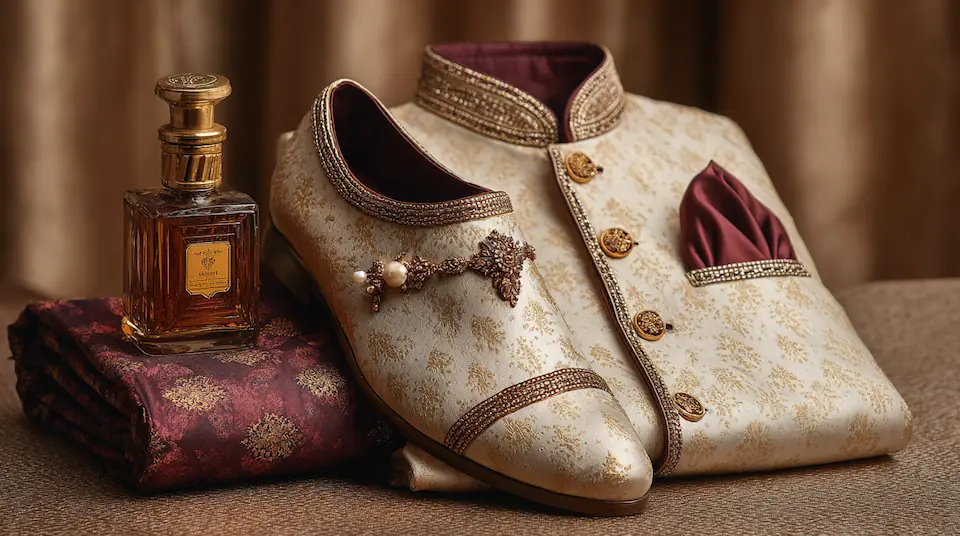
- Men: Sherwani with churidar, or a formal bandhgala suit. Velvet, brocade, and silk are premium fabric choices
Budget Planning
A full Indian wedding guest wardrobe (4 ceremonies) typically costs between ₹15,000 and ₹80,000 depending on fabric quality and embellishment. The most cost-effective approach is to invest in one hero piece (for the main wedding/reception) and style more affordable options for the smaller events.
AI styling tools like Style Math help reduce this cost by showing you exactly which silhouettes and colors work for your body before you shop — preventing expensive purchases that end up unworn.
See these styles on your body
Upload a photo and get AI-powered outfit recommendations tailored to your body shape and skin tone.
Download FreeRelated Articles
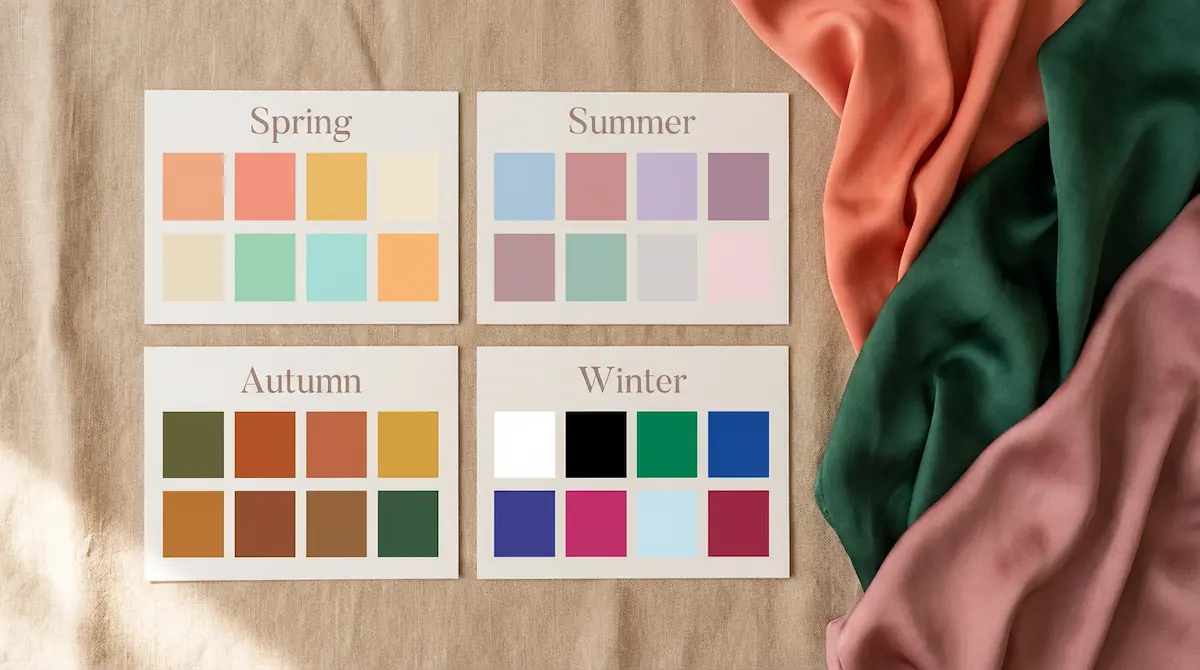
What Is Color Analysis? A Complete Guide to Finding Your Best Colors
Color analysis determines which colors complement your natural skin tone, hair, and eyes. Learn about the seasonal color system, undertones, and how AI makes color analysis accessible to everyone.
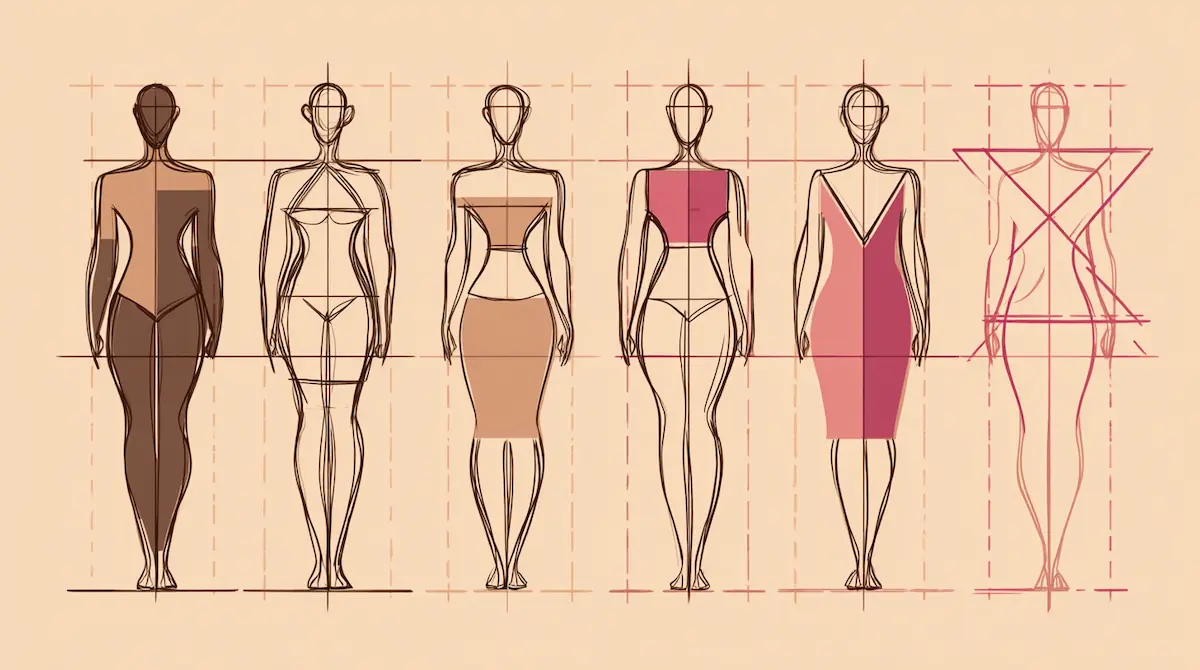
How to Find Your Body Shape: A Data-Driven Guide for Men and Women
Learn how to identify your body shape from 12 categories using key measurements. Understand why body shape analysis matters for choosing flattering clothing, with specific tips for Indian body types.